

Recovery from addiction, chronic stress, or physical exhaustion can improve with time in nature, steady daily habits, and a supportive environment. Often practiced as ecotherapy, nature therapy integrates outdoor immersion to ease stress, improve mood, and strengthen mental wellness. But sustainable healing also depends on structured rest, physical activity, and access to proper clinical care.
At higher elevations, lower oxygen levels can affect sleep, energy, and emotional well-being, so extra care may be needed. There is no single approach that suits everyone. Pay attention to individual needs and seek professional guidance when needed. Keep reading to learn how these factors support a comprehensive recovery plan.
Key Takeaways
- Nature therapy: May reduce stress, improve mood, and support mental recovery.
- Altitude: Requires gradual acclimatization to protect sleep and physical health.
- Daily routine: Consistent sleep, nutrition, activity, and treatment support lasting recovery.
Why Setting Matters in Early Recovery
Recovery can feel harder when daily life is full of stress, noise, or reminders of past habits. A calm environment, such as a focused addiction recovery retreat setting, gives individuals room to rest and focus on healing away from everyday triggers. A change of scenery alone, however, will not treat addiction.
Sleep, mood, and energy can shift during recovery. Some people struggle to concentrate, while others feel tired even after resting. These changes have different causes, making medical oversight essential, especially when withdrawal could be dangerous.
Time outdoors offers a welcome pause. A quiet walk among trees can help clear the mind, but these benefits support professional addiction treatment rather than replacing it.
What Is Nature Therapy?
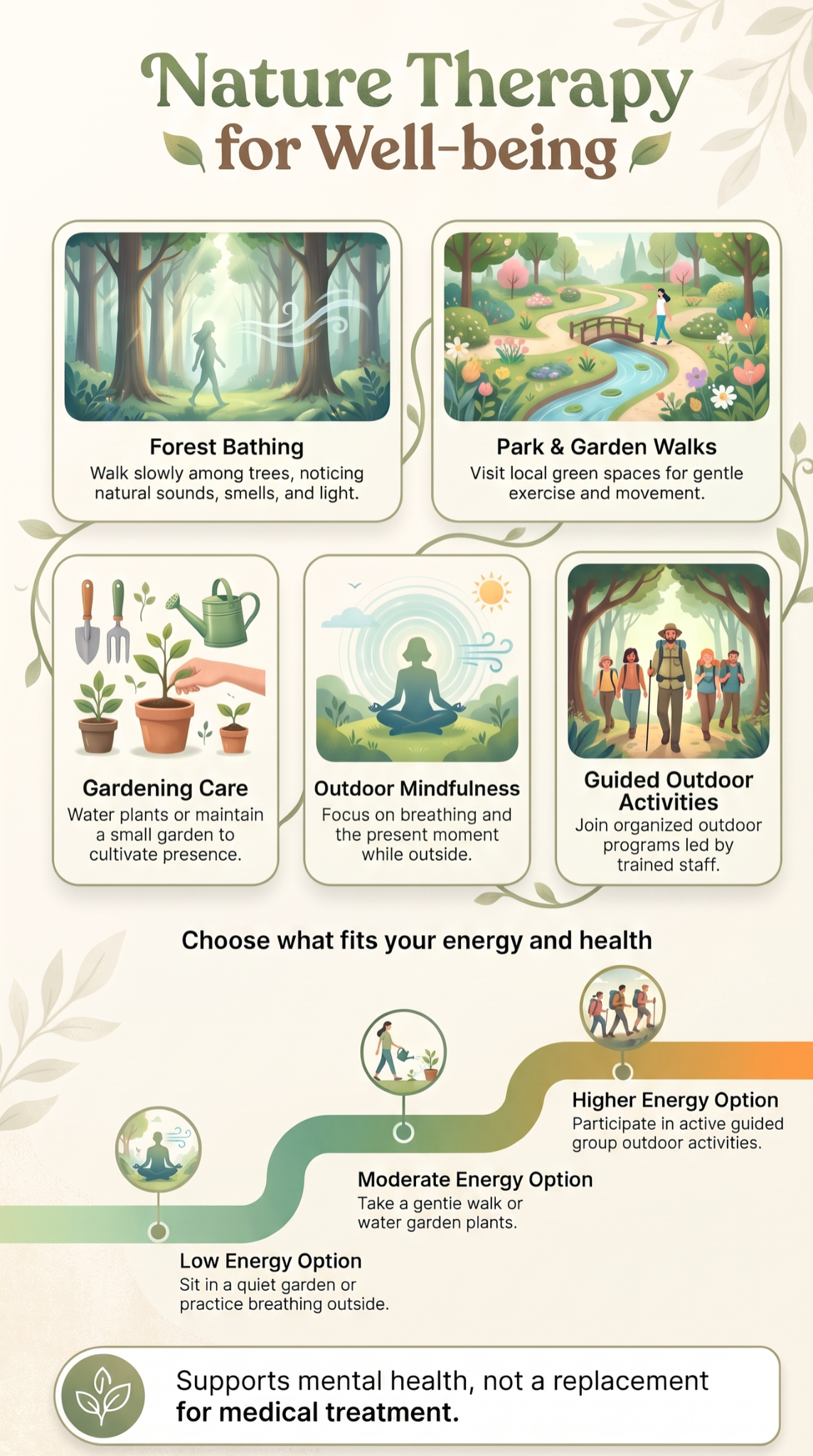
Nature therapy means spending time in natural surroundings with the aim of supporting well-being. It does not have to involve a remote forest or a long hike. Even sitting in a garden can give someone a chance to pause.
Some common approaches include:
- Forest bathing: Taking a slow walk among trees and noticing the sounds, smells, and light.
- Walking in green spaces: Visiting a local park or garden for gentle exercise.
- Gardening: Watering plants or caring for a small garden.
- Guided outdoor activities: Taking part in organized activities led by trained staff.
The best choice depends on the person’s health and energy. Someone dealing with exhaustion may find a short walk more manageable than a strenuous hike. Nature therapy can support mental health care, but it does not replace professional recovery treatment and therapeutic support or prescribed medication.
What Research Says About Nature and Recovery
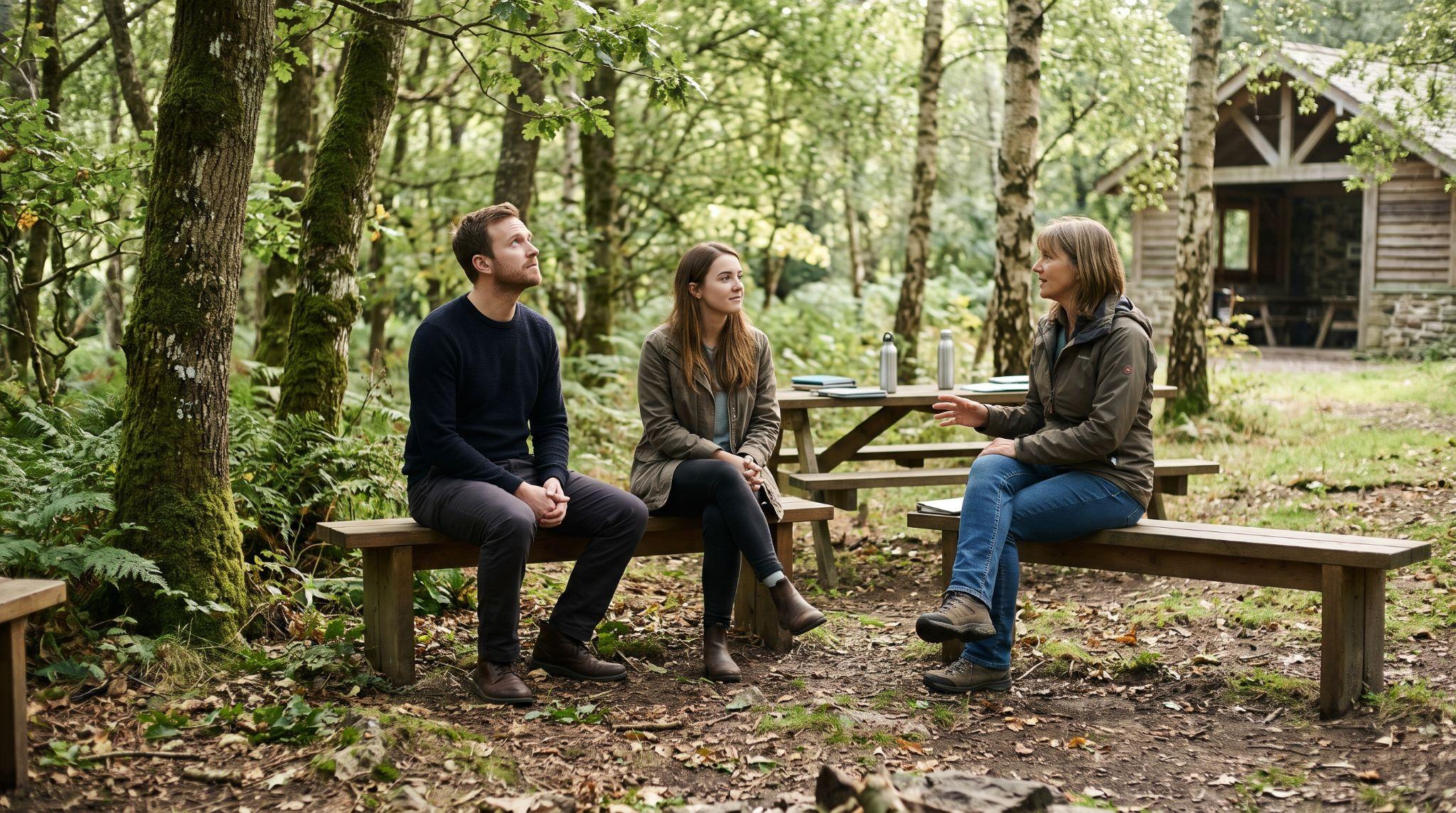
Research on nature and mental health highlights several measurable benefits of spending time outdoors, though nature exposure works alongside comprehensive clinical treatment rather than as a standalone cure:
- The 120-Minute Weekly Threshold: Spending at least two hours a week in outdoor green spaces is associated with a higher likelihood of reporting good health and high well-being compared to no exposure at all. Source: Scientific Reports (White et al., 2019)
- Reduced Rumination and Brain Activity: A 90-minute walk in natural surroundings leads to significant decreases in rumination (repetitive negative thought patterns) as well as reduced neural activity in brain regions linked to mental illness risks. Source: Proceedings of the National Academy of Sciences (Bratman et al., 2015)
- Gentle Physical Movement: Low-impact activities such as gardening, gentle trail walks, and outdoor chores support restorative sleep hygiene and cardiovascular recovery while remaining manageable for varying physical energy levels.
Altitude: What We Know and What We Don’t
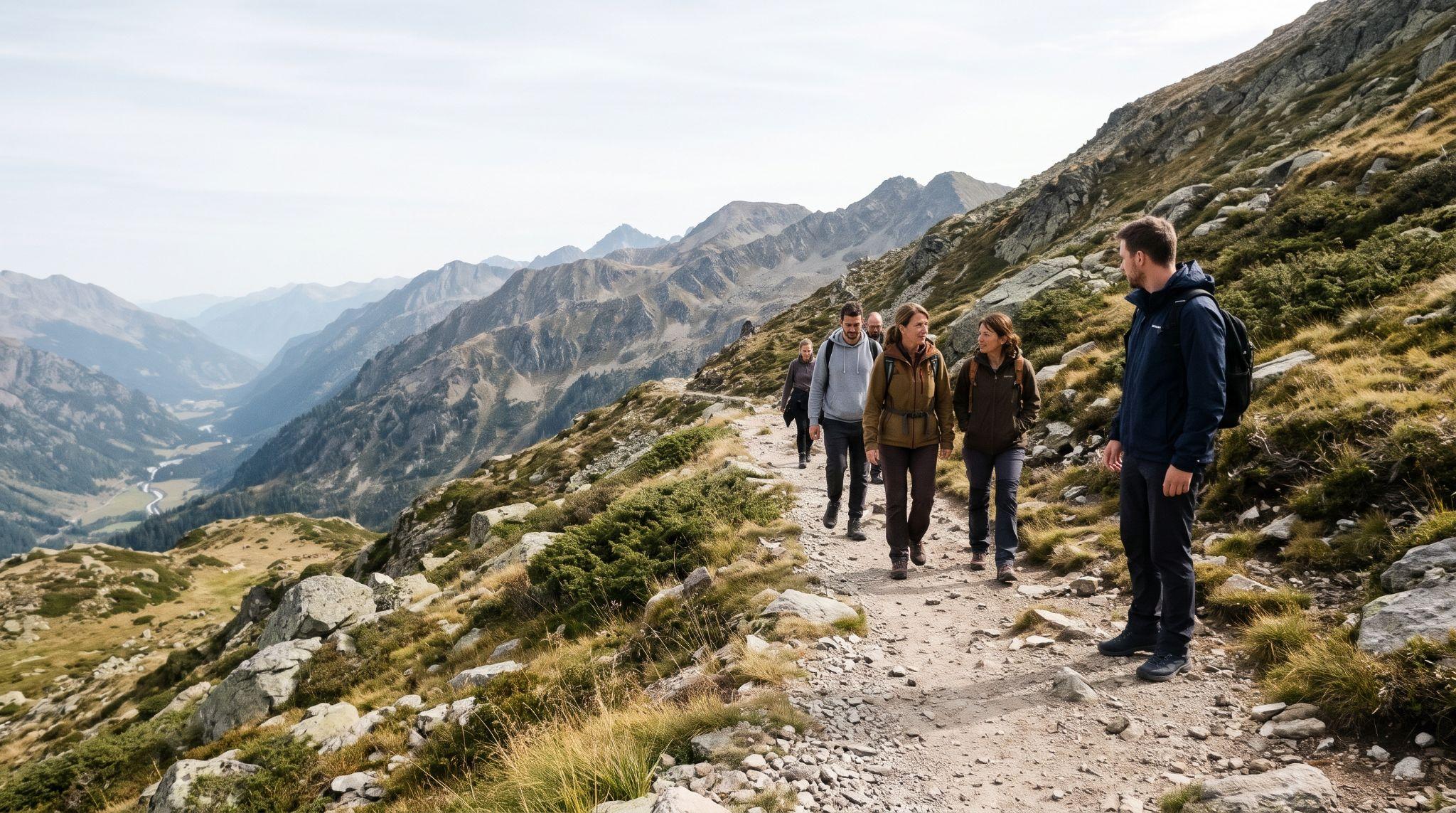
Mountain views can be grounding, but spending time at high altitude places distinct physiological demands on the body. Air pressure falls as elevation rises, meaning each breath provides less available oxygen. During the initial days, this shift can noticeably impact sleep cycles, daytime fatigue, and physical stamina.
A serene mountain landscape can enrich outdoor therapy, but lower oxygen availability does not treat addiction or psychiatric illness.
“We review epidemiological evidence that increases in the altitude of residence are linked to the increased risk of depression and suicide.” – Harvard Review of Psychiatry (2018).
The epidemiological review by Kious et al. (2018) highlighted correlations between residence at higher elevations and increased rates of mood disorders. While these findings reflect population-level associations rather than direct causation, they emphasize why clinical programs at high elevations must monitor emotional well-being carefully.
| Factor | What to Know |
| Sleep | Sleep may become disrupted while the body adjusts. |
| Exercise | Begin gently and increase effort slowly. |
| Mood | Seek help if symptoms worsen. |
| Existing health conditions | Ask a clinician whether travel to high elevations is suitable. |
Nature therapy can take place at lower elevations, too. A nearby park or garden may provide a useful break without the added demands of altitude.
Tips for Your First Week at Elevation
Give the body adequate time to adapt rather than maintaining an intensive workout routine immediately upon arrival:
- Hydrate consistently: Increase fluid and electrolyte intake, avoiding excess water loading.
- Stabilize sleep patterns: Keep a regular sleep schedule and abstain from alcohol or sedatives that exacerbate sleep-disordered breathing.
- Pace physical exertion: Begin with short, low-intensity walks before attempting challenging terrain.
- Ensure sun protection: UV radiation increases at elevation; wear broad-spectrum sunscreen, sunglasses, and protective headwear.
- Acclimate gradually: When feasible, stage your ascent, particularly when sleeping above 2,750 meters (9,000 feet).
Why Routine Supports Recovery
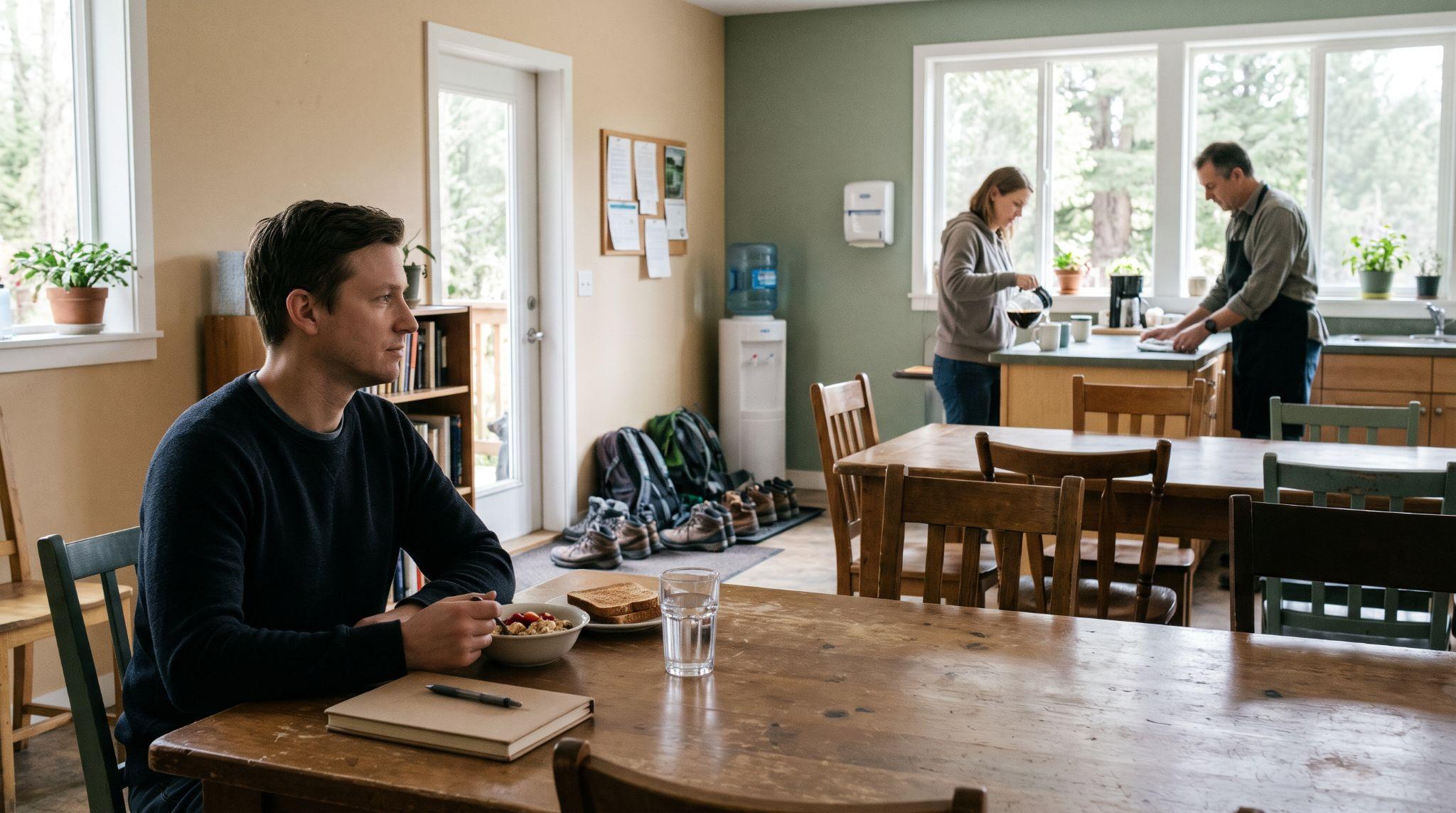
Recovery can make everyday tasks feel harder than usual. Having a loose plan for the day can help take some of the pressure off. Regular meal times, sleep, appointments, and activities also make it easier to build habits that last.
For someone recovering from addiction, too much unplanned time may leave room for isolation or cravings. A routine can help fill those gaps with useful activities and contact with supportive people.
Establishing a predictable daily routine in recovery removes chaotic guesswork, reduces stress, and rebuilds healthy neurobiological rhythms:
- Steady sleep patterns: Going to bed and waking up at consistent times supports a steadier sleep–wake cycle, reducing insomnia and mood swings.
- Fewer idle hours: Filling unstructured time with productive therapeutic, physical, and recreational tasks minimizes isolation and may reduce cravings.
- Fewer daily decisions: Establishing predetermined meal times, group therapy sessions, and medication schedules lowers decision fatigue during early recovery.
- Small, consistent wins: Completing straightforward daily habits, such as making the bed, taking a morning walk, or keeping a journal, rebuilds self-efficacy.
There is no need to follow a schedule perfectly. Rest is part of recovery, too. The routine should make daily life easier, not become another source of stress. A whole-person approach to recovery can also consider how physical health, emotional well-being, daily habits, and supportive relationships fit together.
A Day in Recovery at Compass
A day in a supportive setting might include treatment, outdoor time, meals, and rest. This schedule is an illustrative example, not a mandatory clinical track or individual treatment plan.
- 7:30 a.m. Wake up, balanced breakfast, and morning medication administration.
- 8:30 a.m. Guided outdoor nature walk and mindfulness.
- 10:00 a.m. Individual counseling or group recovery session.
- 12:00 p.m. Nutritious lunch and hydration break.
- 1:00 p.m. Personal reflection, reading, or quiet downtime.
- 3:00 p.m. Experiential therapy, gardening, or low-impact fitness.
- 6:00 p.m. Community dinner and peer recovery support.
- 8:30 p.m. Evening wind-down, journaling, and lights out.
Recovery can feel uncertain, especially when you have spent a long time trying to manage everything alone. You do not have to know every answer before asking for help.
If you are considering structured support, Compass’s Woodland Park recovery program provides information about its whole-person approach and available care. A confidential consultation can help you discuss your circumstances, understand your options, and decide on a suitable next step.
FAQs
Does spending time in nature help addiction recovery?
Time outdoors helps many individuals manage stress, stabilize mood, and build emotional resilience. However, nature therapy cannot treat addiction on its own. It works best as an adjunct to evidence-based medical detox, individual therapy, psychiatric care, and structured peer support.
Why is a daily routine important in recovery?
A consistent daily schedule reduces daily decisions, restores healthy sleep-wake cycles, and reduces empty, unstructured hours where isolation and cravings frequently occur. It establishes a grounded foundation that reinforces long-term sobriety.
Does high altitude affect mood or sleep?
Yes. Lower oxygen levels at higher elevations can disrupt sleep continuity, trigger headaches, and cause lethargy while the body acclimates. Research has also observed correlations between high altitude and mood changes, making close clinical monitoring critical for individuals in treatment at elevation.
How long does it take to adjust to high altitude?
The body typically requires several days to adjust to higher elevations, though the rate of acclimatization varies by elevation level and physical health. Ascending gradually, maintaining adequate hydration, and limiting strenuous exercise during the first week minimizes the risk of altitude sickness.